What Is the Difference Between a Psychologist and a Psychiatrist?
Published: 31 Mar 2026
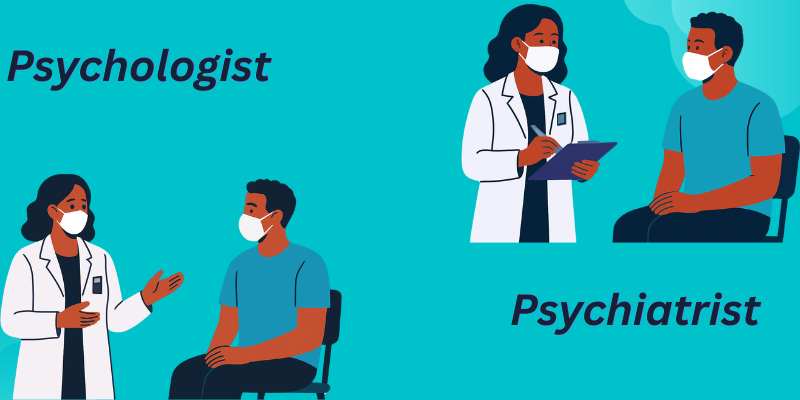
Have you ever felt depressed and thought, ‘Maybe I should talk to someone’-but then got stuck on who that someone should be? A psychologist? A psychiatrist? The terms sound familiar , and most of the people use them mutually. But in reality, they play very several roles in mental health care. Knowing this difference isn’t just beneficial, it can actually help you make the best decisions about your mental well-being. Let’s get knowledge about it in a clear, practical, and beneficial way.
Why People Get Confused
The confusion completely makes sense. Both psychologists and psychiatrists:
- Work in mental health
- Help people deal with emotional and psychological issues
- Sometimes even work together
But the way they approach problems is very different. One focuses more on talk and behavior, while the other focuses on medicine and biology.
What Is a Psychologist?
A psychologist is an expert trained to perceive how people think, feel, and behave. Their work is based on studying human behavior and helping people to improve their mental and emotional health by non-medical methods.
What do psychologists actually do?
Most of their work focuses on therapy and counseling. They help people:
- Getting knowledge about their thoughts and emotions
- Notice unhealthy patterns
- Building effective coping strategies
- Strengthening relationships and communication
They don’t just ‘listen’ , they guide conversations in a structured way to help you gain clarity and make changes.
A simple way to think about it
A psychologist helps you make sense of what’s going on inside your mind.
What Is a Psychiatrist?
On the other hand, a psychiatrist is a medical doctor who got a degree in mental health and trained themselves. That means they don’t just learn behavior, they study the brain as part of the human body.
What do psychiatrists do?
They are trained to:
- Diagnose mental health disorders
- Understand how brain chemistry affects behavior
- Prescribe medications
- check how treatments affect the body
They frequently handle more severe or difficult conditions, especially when medical treatment is needed.
A simple way to think about it
A psychiatrist works on the biological and medical side of mental health.
The Core Difference (In Plain Words)
If you remember just one thing, let it be this:
- A psychologist manages problems mainly through talk therapy and behavior change
- A psychiatrist handle problems mainly through medical treatment and medication
That’s the heart of the difference.
Education and Training: A Big Distinction
One of the biggest differences lies in how they are trained.
Psychologist’s path:
- Studies psychology at university
- Often completes a Master’s or PhD
- Trained in therapy techniques and behavioral science
Psychiatrist’s path:
- Goes to medical school
- Earns a medical degree
- Specializes in mental health after becoming a doctor
This medical background is what allows psychiatrists to prescribe medication-something psychologists usually cannot do.
How Their Approaches Differ in Real Life
Let’s move away from theory and look at how this plays out in real situations.
Scenario 1: Everyday stress and anxiety
If someone is dealing with work stress, overthinking, or mild anxiety:
- A psychologist might help them identify triggers
- Teach relaxation techniques
- Work on changing thought patterns
No medication is involved-just guided self-understanding.
Scenario 2: Severe depression
Now imagine someone who:
- Can’t get out of bed
- Has no motivation
- Feels persistently hopeless
In this case:
- A psychiatrist may prescribe antidepressants
- Monitor how the brain responds
- Adjust treatment based on medical needs
Scenario 3: Best-case combination
Often, the most effective approach includes both:
- A psychiatrist handles medication
- A psychologist gives therapy
This approach addresses both the biological and emotional components of the issue.
Do Psychiatrists Also Do Therapy?
This is where things get interesting.Yes, psychiatrists can provide therapy-but many don’t do it regularly. Their work often focuses more on diagnosis and medication management because:
- Therapy takes time (long sessions)
- Medical treatment requires monitoring and adjustments
So in practice, therapy is more commonly handled by psychologists.
When Should You See a Psychologist?
You might consider a psychologist if you are dealing with:
- Stress or anxiety
- Relationship difficulties
- Low self-confidence
- Life changes(career, loss, change)
- Mild to moderate depression
Basically, if your aim is to gain better self- understanding and build healthier habits, a psychologist is a good place to begin.
When Should You See a Psychiatrist?
A psychiatrist is more appropriate if:
- Symptoms are extreme or long-lasting
- You suspect a clinical mental disorder
- Therapy alone hasn’t helped
- Medication might be needed
Conditions like:
- Bipolar disorder
- Schizophrenia
- Severe depression
often require medical treatment.
A Helpful Analogy
You should have to think about mental health like physical health.
- A psychologist is like a fitness coach helping you build healthy habits
- A psychiatrist is like a medical doctor treating underlying illness
Both are important-but they serve different purposes.
Common Misconceptions
Let’s clear up a few myths that people often believe:
“Psychiatrists are better than psychologists”
Not true. They do different jobs, not better or worse.
“You only need a psychiatrist if you’re ‘seriously ill’”
Also not entirely true. While psychiatrists do handle serious cases, they can help at various stages of mental health.
“Therapy is enough for everything”
Sometimes it is-but not always. Some conditions have a biological component that requires medication.
Why This Difference Matters
Understanding the difference helps you:
- Save time (go to the right professional first)
- Get the right kind of treatment
- Avoid frustration from mismatched expectations
For example, expecting medical treatment from a psychologist-or deep therapy from a psychiatrist-can cause confusion.
The Reality: Mental Health Is Not One-Size-Fits-All
One of the most basic things is to know that mental health care is not strict.
- Some people only need therapy
- Some only need medication
- Many benefit from both
The perfect choice depends on your condition, not a fixed rule.
A Practical Way to Decide
If you don’t know from which point you should have to take a start, ask yourself:
- Do I need to talk through my thoughts and feelings? → Start with a psychologist
- Do my symptoms feel intense, persistent, or overwhelming? → Consider a psychiatrist
And remember-you can always be referred from one to the other.
Final Thoughts
The difference between a psychologist and a psychiatrist isn’t complicated once you strip away the jargon.One of them helps you to understand and change your behavior through conversation, while the other treats mental health from a medical point of view.Both are beneficial for patients and play helpful roles and neither replaces the other.If anything, the real takeaway is this: Getting help matters more than choosing perfectly. Even taking the first step-talking to someone-is already progress and also helpful for patients.





- Be Respectful
- Stay Relevant
- Stay Positive
- True Feedback
- Encourage Discussion
- Avoid Spamming
- No Fake News
- Don't Copy-Paste
- No Personal Attacks
- Be Respectful
- Stay Relevant
- Stay Positive
- True Feedback
- Encourage Discussion
- Avoid Spamming
- No Fake News
- Don't Copy-Paste
- No Personal Attacks
