What is Personality Psychology?
Published: 18 Apr 2026
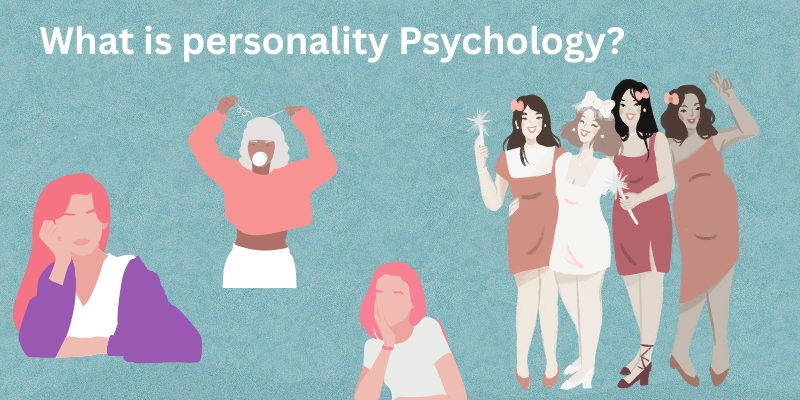
Why do some people act the way they do regularly, over situations, even when scenarios change? That simple question sits at the heart of personality psychology. But asking what personality is only gets you halfway. The more interesting question and the one that actually matters is: why is personality psychology important at all?
Let’s explore that in a way that feels less like a textbook and more like something you can actually use.
The Real Reason This Field Exists
You don’t need a degree in psychology to notice patterns in people.There’s always that one person who:
- Overthinks everything
- Stays calm under pressure
- Talks to unknown peoples like they’ve known them for years
Their behaviour is not just random. They’re consistent. And once you start noticing them and stay with them, you realize something:
People are predictable but in their own unique ways.
That’s exactly why personality psychology exists. It tries to answer:
Why are these patterns so stable, and where do they come from?
It Helps Make Sense of Everyday Behavior
Without some framework, human behavior looks chaotic.One person sees criticism as helpful. Another takes it personally. A third ignores it completely.Personality psychology gives structure to this confusion. Instead of labeling people as “weird” or “difficult,” it helps you understand:
- Different emotional responses
- Different thinking styles
- Different motivations
For example, a person who is high in neuroticism might react more strongly to stress. That’s not powerlessness it’s a pattern.And once you know the patterns, things stop feeling random.
It Improves Self-Awareness (In a Real Way)
A lot of advice online tells you to “know yourself,” but rarely explains how.This is where personality psychology becomes practical.Frameworks like the Big Five personality traits give you language for things you already feel but can’t quite describe.Instead of saying:
“I’m just bad at staying organized”
You might realize:
“I score lower on conscientiousness, which means I need systems, not willpower.”
That shift matters. It moves you from self-judgment to self-understanding.
It Explains Why People Clash (and Connect)
Most conflicts aren’t about the situation, they’re more about clashing personality.
Just Think about it:
- One person values structure; another values flexibility
- One communicates directly; another avoids confrontation
- One needs space; another needs constant interaction
Without knowing personality, these differences feel personal. But personality psychology reframes it:
“This isn’t about right or wrong. It’s about different wiring.”
That perspective alone can improve relationships,whether it’s friendships, family, or work.
It Has Real-World Applications (Not Just Theory)
This isn’t just abstract thinking. Personality psychology is used in:
1. Career and Workplaces
Employers use personality insights to:
- Match people with roles
- Build balanced teams
- Improve productivity
For example, highly conscientious individuals often perform well in structured roles, while those high in openness may thrive in creative environments.
2. Mental Health
Therapists use personality frameworks to:
- Understand clients better
- Tailor treatment approaches
- Identify long-term patterns
Even early thinkers like Sigmund Freud clearly told us ,how deep patterns shape behavior.
3. Education
Teachers who understand personality differences can:
- Adapt teaching styles
- Support different learning needs
- Reduce student frustration
It Challenges the “One-Size-Fits-All” Mindset
A lot of self-improvement advice assumes everyone should follow the same path:
- Wake up early
- Be highly social
- Stay constantly productive
But personality psychology pushes back against that.It suggests:What works for one person might not work for another and that’s not failure.For example:
- An introvert forcing constant social interaction may burn out
- A highly open person may struggle in rigid routines
Understanding personality helps you build a life that fits you, instead of copying someone else’s blueprint.
It Bridges Nature and Nurture
One of the most interesting questions in psychology is:Are we born this way, or do we become this way?Personality psychology doesn’t pick one side. It combines both.
- Genetics influence temperament
- Environment shapes expression
Think of it like this: You may have a natural tendency toward anxiety, but your experiences determine how that anxiety shows up-and how you manage it.This balanced view is more realistic than extreme positions.
It Makes Behavior More Predictable
Predicting behavior sounds like something out of science fiction, but personality psychology does it in subtle, practical ways.For instance:
- High extraversion → more social engagement
- High conscientiousness → better planning and reliability
- High agreeableness → more cooperation
No system is perfect, but these patterns are strong enough to be useful.And that’s the key point:
Personality psychology doesn’t aim for perfection-it aims for probability.
It Encourages Acceptance (Without Excusing Everything)
Understanding personality can make you more patient with others-but there’s a balance.It helps you see:
- Why someone behaves a certain way
- Where their tendencies come from
But it doesn’t mean:
- Accepting harmful behavior
- Avoiding accountability
Instead, it gives context.You can understand someone’s personality while still expecting growth and responsibility.
It’s Still Evolving
This field isn’t “finished.”While models like the Big Five personality traits are widely used, they don’t explain everything.For example:
- Cultural differences aren’t fully captured
- Situational factors still matter
- Personality can change over time
Psychologists like Carl Rogers and Abraham Maslow even emphasized growth, suggesting personality isn’t fixed, it can develop.So instead of seeing personality as a rigid label, it’s better to see it as:A stable foundation with room for change
So, Why Is Personality Psychology?
At this point, the answer becomes clearer.Personality psychology exists because:
- Human behavior isn’t random
- Patterns can be understood
- Differences can be explained
- And self-awareness can be improved
But more than that, it exists because people are trying to answer a deeper question:
Why am I the way I am-and can I change?
A More Practical Way to Think About It
You don’t need to memorize theories to benefit from this field.Just start noticing:
- What situations drain or energize you
- How you react under stress
- What patterns repeat in your life
Those patterns are your personality in action.Once you see them clearly, you gain something valuable:
Choice:Not complete control-but enough awareness to respond differently.
Final Thought
Personality psychology isn’t about putting people into boxes. It’s about understanding the patterns inside those boxes and sometimes stepping outside them.It gives you a lens to:
- Understand yourself without harsh judgment
- Understand others without quick assumptions
- And navigate life with a bit more clarity
And in a world where people often misunderstand each other, that’s not just useful, it’s necessary.




- Be Respectful
- Stay Relevant
- Stay Positive
- True Feedback
- Encourage Discussion
- Avoid Spamming
- No Fake News
- Don't Copy-Paste
- No Personal Attacks
- Be Respectful
- Stay Relevant
- Stay Positive
- True Feedback
- Encourage Discussion
- Avoid Spamming
- No Fake News
- Don't Copy-Paste
- No Personal Attacks
